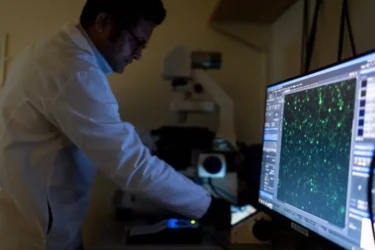
Our immune system has a dark side: It’s supposed to fight off invaders to keep us healthy. But sometimes it turns traitor and attacks our own cells and tissues. What are called autoimmune diseases can affect just about every part of the body – and tens of millions of people. While most common in women, these diseases can strike anyone, adults or children, and they’re on the rise. New research is raising the prospect of treatments that might do more than tamp down symptoms. Dozens of clinical trials are testing ways to reprogram an immune system-gone-rogue, with some promising early successes against lupus, myositis and certain other illnesses. Other researchers are hunting ways to at least delay brewing autoimmune diseases, spurred by a drug that can ...
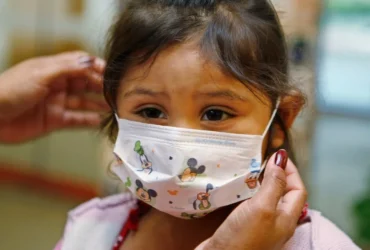
Forget colorful leaves. Any caregiver knows that the real signs of fall are kids with coughs, sneezes and sniffles Autumn marks the start of respiratory virus season, when colds, flu and other bugs start circulating — especially among the very young. A recent study confirmed what many families intuitively know: The littlest students harbor the most germs. Children in pre-kindergarten and elementary school showed highest rates of virus detection compared with older students and staff, according to research published in the journal Pediatrics. “Young children can have up to 10 respiratory viruses a year as their immune systems are introduced to different infections for the first time,” said Dr. Jennifer Goldman, a pediatrician at Children’s Mercy ...

Scientists have determined that how the brain shape changes with age could indicate early signs of dementia. Experts are finding that the best way to understand how the brain ages is not by examining individual parts, but by studying its overall structure and how its different regions interact with one another. In a large study, researchers from Irvine, California and Tenerife, Spain, used brain scans to measure these shape changes. They discovered that as people age, the brain does not shrink evenly. Instead, it changes shape in specific ways. The bottom portions of the brain, responsible for essential functions such as breathing and heartbeat, and the front parts, critical to certain cognitive functions, tend to expand outward. The top parts, crucial ...